ARTICLES
2026

Association of hospitalization costs with demographic, socioeconomic, and lifestyle characteristics: Population-based study in Sao Paulo city, Brazil, 2003–2015
ABSTRACT:

Exploratory genome-wide analysis suggests potential associations of PPP1R12B, FSTL5, G5K3B, and GFRA2 loci with a derived HDL functionality score
ABSTRACT:

Cardiometabolic risk in adolescents: prevalence and associated factors from a population-based survey (2008–2015)
ABSTRACT:
absenteeism in São Paulo City, Brazil.

Alpha-tocopherol intake and status exhibit population-specific associations with metabolic syndrome among two Hispanic/Latinos populations
ABSTRACT:
In this cross-sectional study of Hispanics/Latinos from São Paulo and the United States, vitamin E intake and status were inversely associated with metabolic syndrome and selected metabolic components, with population-specific patterns and distinct dietary sources of vitamin E. HDL-c: high-density lipoprotein cholesterol; NHANES: National Health and Nutrition Examination Survey; ISA-Nutrition: Health Survey of São Paulo with a Focus on Nutrition.

Factors Associated with the Odds, Duration, and Costs of Health-Related Absenteeism: A Population-Based Study in São Paulo City, Brazil
ABSTRACT:
Non-Communicable Diseases (NCD) impose a substantial socioeconomic burden on health systems through direct costs and indirect costs from productivity loss due to health-related absenteeism. While lifestyle factors are crucial for NCD prevention, evidence regarding their association with absenteeism in middle-income countries, such as Brazil, remains limited. In this context, the present study aims to analyze factors associated with the odds, duration, and costs of health-related absenteeism in São Paulo City, Brazil.

Population-Based Health Survey in the municipality of São Paulo 2024: methodological and operational aspects
ABSTRACT:
This paper presents the methodological procedures adopted for the construction and development of the population-based household health survey (ISA Capital-SP 2024), including its planning, sampling, and operational aspects for field feasibility. The data were collected using stratified probability sampling, with two-stage cluster sampling: at the census tract and household level. The strata were formed by the six health regions of the municipality of São Paulo (MSP). Individuals aged 10 or older living in permanent private households in the MSP’s urban area were interviewed. The questionnaire consisted of 13 thematic blocks, including: reported morbidity, service use, preventive exams, immunization, medication use, and health behaviors. Health surveys contribute to studies of health trends and the identification of different patterns of health service use by the population, complementing data from official information systems. The ISA constitutes an important instrument for monitoring health conditions, planning, and formulating public policies at the municipal and intra-municipal levels, especially given the need to generate regional indicators for a city with the social and geographic inequalities of the MSP.

Understanding sugar-sweetened beverage tax implementation globally: a 34-year, population-based observational study in 183 countries
ABSTRACT:
Taxes on sugar-sweetened beverages can improve public health. We aimed to characterise the extent and types of sugar-sweetened beverage taxes implemented worldwide and the national characteristics predicting implementation, such as sugar-sweetened beverage intake amounts, disease rates, or economic development. 2015. healthcare expenditures.

Socioeconomic and cardiometabolic factors associated with outpatient healthcare utilization and direct costs in São Paulo, Brazil
ABSTRACT:
The ongoing epidemiological and nutritional transitions impose a significant socioeconomic burden
on health systems worldwide. However, evidence integrating population-based biological and lifestyle factors with direct economic valuation in mixed public-private health systems is limited in middle-income countries. Therefore, we analyzed factors associated with outpatient utilization and estimated direct costs (adjusted for International Dollars at Purchasing Power Parity – Int$ PPP) in a representative sample for São Paulo City, Brazil, from 2003 to 2015. healthcare expenditures.
2025

Vitamin E is associated with inflammatory biomarkers and metabolic syndrome: insights from a population study Author links open overlay panel
ABSTRACT:
Vitamin E is a potent antioxidant with anti-inflammatory properties and has been proposed as a promising agent in mitigating conditions associated with metabolic syndrome (MetS). We hypothesize that vitamin E is inversely associated with inflammatory biomarkers and low-grade systemic inflammation while showing a direct association with anti-inflammatory biomarkers. Additionally, we hypothesize that vitamin E will also be inversely associated with the risk of developing MetS. This population-based, cross-sectional study used data from the 2015 ISA-Nutrition survey, which included 368 adults and 212 older adults residing in urban São Paulo. Plasma vitamin E concentration was measured using high-performance liquid chromatography, and MetS was diagnosed based on International Diabetes Federation criteria. Biochemical and anthropometric parameters were assessed using standardized protocols. Restricted cubic spline regression models were applied to evaluate nonlinear associations between vitamin E, inflammation, and MetS. In the linear association between IL-6 and vitamin E, there is an interaction with HDL-c. Our findings also revealed a nonlinear J-shaped association between vitamin E and hepcidin (P < .0001), IL-1β (P < .0001), and adiponectin (P < .001), as well as an inverse association with low-grade systemic inflammation (P < .05). Additionally, vitamin E demonstrated a nonlinear association with MetS (P < .01). These results suggest that vitamin E may play a protective role in modulating inflammation and MetS within this specific urban population. Understanding the interactions between vitamin E, inflammation, and MetS risk is essential for developing prevention and dietary management strategies. Future research should explore the underlying mechanisms and assess optimal vitamin E intake to support metabolic health.

Association of two cut-off points for the n-3 index with cardiometabolic risk factors in Brazilian and Puerto Rican middle-aged adults
ABSTRACT:
The n-3 index has been proposed as a risk factor for CVD endpoints. However, the association of the O3I defined with different cut-offs and cardiometabolic risk factors has been less studied. This study aimed to investigate the association between two cut-off points of the O3I and cardiometabolic risk factors in Brazilian and Puerto Rican adults. This cross-sectional analysis included 249 Brazilians and 1261 Puerto Ricans, aged 45–75 years. Fatty acids composition was quantified in erythrocyte membranes using GC with a flame ionisation detector. The O3I was categorised as ≤ 4 % (low), > 4–8 % (intermediate) and ≥ 8 % (desirable), and as ≤ 4 % (very low), > 4–6 % (low), > 6–8 % (moderate) and > 8 % (high) in the second cut-off classification. Serum lipids, waist circumference and insulin resistance were measured from standardised protocols. Multivariable-adjusted linear models tested the association between the O3I and cardiometabolic factors. Brazilians had a mean (sd) O3I of 4·65 % (1·19 %) v. 4·43 % (1·14 %) in Puerto Ricans (P = 0·033), with only 1·6 % of Brazilians and 1·2 % of Puerto Ricans presenting a desirable/high O3I. The O3I, as continuous or for > 4 % (v. ≤ 4 %), was inversely associated with TAG, VLDL and TAG/HDL-cholesterol ratio in Puerto Ricans. In Brazilians, an O3I > 6 % (v. ≤ 6 %) was associated with higher total cholesterol, LDL-cholesterol and non-HDL-cholesterol. Both populations presented O3I below the desirable levels, and the magnitude and direction of associations with cardiometabolic factors varied by study and cut-offs, reinforcing the importance of expanding these investigations to more diverse populations.

Circulating miR-122 and miR-139-3p: Association with Lipid, Inflammatory, and Glycemic Profile in Adolescents with Insulin-Resistant and Overweight
ABSTRACT:
Insulin resistance (IR) in adolescents contributes to the development of metabolic and immunological alterations. These alterations can lead to chronic, systemic, low-grade inflammation in adulthood. Evidence suggests that alterations in miRNA expression play a significant role in the onset of IR by influencing insulin signaling pathways. Therefore, identifying specific miRNAs may aid in the early diagnosis of cardiometabolic risk, particularly during the transition from adolescence to adulthood.

Dietary inflammatory potential estimated by three metrics and their association with systemic low-grade inflammation in younger and older adults
ABSTRACT:
Inflammatory dietary indices and dietary quality indices are frequently applied to investigate the inflammatory potential of diets. However, their relative ability to explain plasma inflammatory biomarker concentrations remains unclear.
Differences in insulin resistance biomarkers, but not on serum zinc concentration, among individuals with different SLC30A8 genotypes: analysis of the São Paulo population-based study (2015 ISA-Nutrition)
ABSTRACT:
Single nucleotide polymorphisms (SNPs) in the solute carrier family 30 member 8 (SLC30A8) gene related to zinc metabolism have been associated with an impaired insulin metabolic response. Objective: This study aimed to investigate variations in serum zinc concentration and insulin resistance biomarkers according to SNPs in the SLC30A8 gene among participants from the 2015 ISA-Nutrition. Methods: A total of 497 participants were genotyped for SNPs rs13266634, rs3802177, and rs11558471. Outcome variables included in the study were serum zinc concentration, fasting glucose, insulin, body mass index, and the homeostatic model assessment for insulin resistance (HOMA-IR). Results: The mean serum zinc concentration of participants was 85.5 µg/dL, without differences between sexes. The study population exhibited elevated glycemia and insulin resistance. No significant differences were found in serum zinc concentration and insulin resistance biomarkers between genotypes for all SNPs. However, men with the genotypes CC for rs13266634, GG for rs3802177, and AA for rs11558471 presented higher insulin concentration and HOMA-IR values compared to other genotypes, whereas there were no differences among women.

The expression of circulating microRNA-486-5p is associated with common mental disorders in older adults
ABSTRACT:
The identification of microRNAs associated with common mental disorders and elucidation of their mechanistic roles may be important for developing novel targets for therapy. Thus, this study aimed to evaluate the expression of 21 circulating microRNAs according to age groups and their association with common mental disorders.

FADS1 and FADS2 Gene Polymorphisms Affect Omega-3 and Omega-6 Erythrocyte Fatty Acid Composition and Influence the Association Between Dietary Fatty Acid Intake and Lipid Profile in Brazilian Adults
ABSTRACT:
Polymorphisms in the FADS1 and FADS2 genes influence fatty acid metabolism. However, evidence of gene–diet interactions in population-based studies from Brazil remains limited. The objective of this study was to examine associations between FADS1–FADS2 single-nucleotide polymorphisms (SNPs) and erythrocyte fatty acid composition and serum lipid concentrations, as well as to explore potential gene–diet interactions
2024

Exploring Diet and Nutrient Insufficiencies across Age Groups: Insights from a Population-Based Study of Brazilian Adults
ABSTRACT:
Assessing dietary inadequacies can contribute to understanding the nutritional vulnerabilities of a country. This study aimed to investigate nutrient intakes and micronutrient inadequacies in the Brazilian adult population, with an interest in different age subgroups. We conducted a cross-sectional study with 1812 individuals aged 19 to 65 years from a population-based study with a representative sample of Brazilian adults. Dietary intake was assessed by two 24 h food recalls, and the probabilities of inadequate intake were estimated using the Dietary Reference Intake targets. Adequate macronutrient intake was over 99% for proteins, 84.7% for carbohydrates, and 80.7% for total fats. There was a high probability of inadequacy (above 90%) for vitamins D and E, but vitamin D inadequacy was very similar between the sexes. In contrast, vitamin E was more likely to be inadequately consumed among women. A high probability of inadequacies (above 85%) of calcium and magnesium were found in the population, regardless of age group. Except for iron, the probability of an inadequacy of other minerals increased with age. The results showed a relevant proportion of nutrient inadequacies, with those most at risk being women and older individuals, helping with the better targeting and monitoring of public-health policies that address nutritional problems in the population.

Associations between Four Diet Quality Indexes and High Blood Pressure among Adults: Results from the 2015 Health Survey of Sao Paulo
ABSTRACT:
Several dietary quality indexes (DQIs) have been proposed to investigate adherence to a healthy diet. However, only a few studies have been conducted to investigate their association with high blood pressure (BP) in Brazil. In the present work, we examine the association between four established DQIs—2020 Healthy Eating Index (HEI-2020), Dietary Approaches to Stop Hypertension (DASH), Alternative Healthy Eating Index (AHEI), and Brazilian Healthy Eating Index (BHEI)—and high BP in a cross-sectional sample of Brazilian adults from the 2015 Health Survey of São Paulo with Focus on Nutrition. Based on two 24 h recalls adjusted for the within-person variation, higher HEI-2020 and BHEI total scores were inversely related to elevated BP (HEI-2020: OR 0.94, BHEI: OR 0.95). Individuals at the second quartile (OR 0.33) and the fourth quartile of BHEI (OR 0.35), as well as individuals with higher scores on dairy components (HEI-2020: OR 0.80, BHEI: OR 0.83, DASH: OR 0.75), and fruit components (AHEI: OR 0.82, HEI-2020: OR 0.72, BHEI: OR 0.77, DASH: OR 0.79) also presented lower odds for the occurrence of elevated BP. In conclusion, healthier diet quality using the HEI-2020 and BHEI indexes and the fruit and dairy components were identified as protective factors for high BP.

between dietary indices with systemic inflammation in adulthood and old ages
ABSTRACT:
Low-grade systemic inflammation (LGSI) is critical to developing many chronic diseases. In turn, it has been shown that the diet can modulate favorably or unfavorably the inflammatory status. Thus, evaluating the diet from appropriate approaches is fundamental; to do so, there are different proposals for dietary indexes. We aimed to: (i) investigate the association between three well-known dietary indexes and LGSI biomarkers; (ii) test these associations individually or in combination with an indicator of ultra-processed foods intake. (iii) as an additional aim, hypothesizing that all the indexes should be capable of identifying the inflammatory potential of diet.

Pragmatic Carbohydrate Quality Metrics in Relation to Glycemic Index, Glycemic Load, and Front-of-Pack Warning Labels in Grain Foods
ABSTRACT:
The challenges in the characterization of the nutritional quality of grain foods comprise obstacles to public health actions toward promotion of healthier grain-based foods. The present study investigated how carbohydrate metrics related to glycemic index (GI), glycemic load (GL), and warning labels of grain foods consumed by individuals living in São Paulo, Brazil. Information on intake of grain foods at individual level was obtained using 24 h recalls within a cross-sectional population-based survey conducted in 2015. There were 244 unique grain products reported by individuals in the survey, assessed through four metrics of carbohydrate quality, considering contents per 10 g of total carbohydrate: (1) ≥1 g fiber, (2) ≥1 g fiber and <1 g free sugars, (3) ≥1 g fiber and <2 g free sugars, and (4) ≥1 g fiber, and <2 g free sugars per 1 g of fiber. Outcomes included GI, GL, and inclusion of warning labels proposed by the Brazilian National Health Surveillance Agency (ANVISA), the Chilean Ministry of Health (1st and 3rd stages), and the Pan American Health Organization (PAHO). Metrics identified products with lower mean GI (−12.8 to −9.0 [p-values < 0.001]), and GL (−12.5 to −10.3 [p-values < 0.001]). Warning systems showed a certain degree of discrimination between products according to the metrics (p-value < 0.01 each); however, >50% of products with good nutritional quality according to the carbohydrate metrics still would receive warnings. Findings suggest that carbohydrate metrics identified products with lower GI and GL, and current warning labels may not adequately capture overall nutritional quality of grain foods.

High Adherence to the Mediterranean Dietary Pattern Is Inversely Associated with Systemic Inflammation in Older but Not in Younger Brazilian Adults
ABSTRACT:
The Mediterranean dietary pattern (MPD) has shown promise in preventing low-grade systemic inflammation (LGSI). This study tested if a high adherence to the MDP by younger and older Brazilian adults is associated with lower LGSI and investigated which Mediterranean food components may contribute to these associations. We performed a secondary study on 2015 ISA-Nutrition (290 younger adults (20–59 years old) and 293 older adults (≥60 years old)), a cross-sectional population-based study in São Paulo, SP, Brazil. The adherence to the MDP was assessed using the Mediterranean Diet Score (MedDietScore), obtained from two non-consecutive 24 h dietary recalls (24HDRs). The LGSI score (from plasma CRP, TNF-α, and adiponectin) identified the inflammatory status. Linear regression models assessed the association between LGSI and the MedDietScore. In older adults only, a high adherence to the MDP signified an 11.5% lower LGSI score. Older adults, classified with high adherence to the MDP, differed by consuming lower meat intake and full-fat dairy. Between older adults, the intake of vegetables and olive oil was inversely associated with the levels of LGSI. Thus, among older adults, the intake of some specific Mediterranean food determined high adherence to the MDP and was associated with decreased LGSI.

Exploring the FAO Minimum Dietary Diversity Indicator as a Suitable Proxy of Micronutrient Adequacy in Men and Women Across Reproductive and Non-reproductive Ages in 8 Latin American Countries
ABSTRACT:
Women’s Dietary Diversity Score (WDDS) is an indicator of dietary diversity, a key component of diet quality in women of reproductive age (WRA). Limited information is available regarding its applicability in other population groups.

QUALIDADE DA INFORMAÇÃO SOBRE ALIMENTAÇÃO E NUTRIÇÃO DISPONÍVEL NO INSTAGRAM
ABSTRACT:
A ascensão da internet acelerou o processo de compartilhamento de notícias e informações, sendo o Instagram uma das redes sociais mais utilizada globalmente. Conteúdos sobre alimentação e nutrição são comumente divulgados nesses aplicativos e, apesar de serem amplamente consumidos pela população, nem sempre possuem embasamento científico

Fatores sociodemográficos e comportamentais da obesidade: um estudo longitudinal
ABSTRACT:
O objetivo foi investigar a associação entre fatores sociodemográficos e comportamentais e a ocorrência da obesidade entre 2014 e 2021 em adultos da cidade de São Paulo, Brasil. Realizou-se estudo prospectivo com 1.241 adultos paulistanos, com 18 anos ou mais, participantes da coorte Inquérito de Saúde de São Paulo (ISA) – Atividade Física e Ambiente. O desfecho foi obesidade (sim/não), classificada por meio do índice de massa corporal e com pontos de corte específicos para cada faixa etária. As variáveis de exposição foram: sexo, idade, escolaridade, cor da pele, estado marital, coordenadoria regional de saúde, atividade física nos quatro domínios e comportamentos sedentários. Foram utilizados modelos de regressão logística multinível para a análise longitudinal. Houve aumento significativo de 27,7% na prevalência de obesidade (de 22,6% para 28,9%). Pessoas que praticavam ao menos 150 minutos semanais de atividade física no lazer (OR = 0,44; IC95%: 0,26; 0,76), entre 10 e 150 minutos semanais de atividade física de deslocamento (OR = 0,49; IC95: 0,30; 0,80) e sem companheiro(a) (OR = 0,47; IC95%: 0,28; 0,78) tiveram menos chances de ter obesidade. Pessoas entre 40 e 59 anos (OR = 5,00; IC95%: 2,02; 12,38) e de cor de pele preta (OR = 4,70; IC95%: 1,85; 11,95) apresentaram maiores chances de ter obesidade. O estudo identificou um aumento na prevalência de obesidade durante o período, com aumento nas chances para pessoas de meia idade e cor da pele preta, e diminuição nas chances para pessoas que vivem sem companheiro(a) e para praticantes de atividades físicas no lazer e como forma de deslocamento. Esses resultados podem contribuir para dar suporte a programas e políticas para o controle da obesidade.

Genetic Ancestry and Self-Reported “Skin Color/Race” in the Urban Admixed Population of São Paulo City, Brazil
ABSTRACT:
Epidemiological studies frequently classify groups based on phenotypes like self-reported skin color/race, which inaccurately represent genetic ancestry and may lead to misclassification, particularly among individuals of multiracial backgrounds. This study aimed to characterize both global and local genome-wide genetic ancestries and to assess their relationship with self-reported skin color/race in an admixed population of Sao Paulo city. We analyzed 226,346 single-nucleotide polymorphisms from 841 individuals participating in the population-based ISA-Nutrition study. Our findings confirmed the admixed nature of the population, demonstrating substantial European, significant Sub-Saharan African, and minor Native American ancestries, irrespective of skin color. A correlation was observed between global genetic ancestry and self-reported color-race, which was more evident in the extreme proportions of African and European ancestries. Individuals with higher African ancestry tended to identify as Black, those with higher European ancestry tended to identify as White, and individuals with higher Native American ancestry were more likely to self-identify as Mixed, a group with diverse ancestral compositions. However, at the individual level, this correlation was notably weak, and no deviations were observed for specific regions throughout the individual’s genome. Our findings emphasize the significance of accurately defining and thoroughly analyzing race and ancestry, especially within admixed populations.

Missense genetic variants in major bitter taste receptors are associated with diet quality and food intake in a highly admixed underrepresented population
ABSTRACT:
To investigate associations between Single Nucleotide Polymorphisms (SNPs) in the TAS1R and TAS2R taste receptors and diet quality, intake of alcohol, added sugar, and fat, using linear regression and machine learning techniques in a highly admixed population.

Eating locations and occasions by energy and nutrients food sources among adolescents and young adults
ABSTRACT:
This study aimed to estimate the daily energy intake and overconsumed nutrients for adolescents and young adults concerning public health based on the food source, eating location, and occasion.

Lifestyle and Cardiometabolic Risk Factors Associated with Impoverishment Due to Out-of-Pocket Health Expenditure in São Paulo City, Brazil
ABSTRACT:
The rise in obesity and related chronic noncommunicable diseases (NCDs) during recent decades in Brazil has been associated with increases in the financial burden and risk of impoverishment due to out-of-pocket (OOP) health expenditure. Thus, this study investigated trends and predictors associated with impoverishment due to health expenditure, in the population of São Paulo city, Brazil, between 2003 and 2015. Household data from the São Paulo Health Survey (n = 5475) were used to estimate impoverishment linked to OOP health expenses, using the three thresholds of International Poverty Lines (IPLs) defined by the World Bank at 1.90, 3.20, and 5.50 dollars per capita per day purchasing power parity (PPP) in 2011. The results indicated a high incidence of impoverishment due to OOP disbursements for health care throughout the period, predominantly concentrated among low-income individuals. Lifestyle choices referring to leisure-time physical activity (OR = 0.766 at $3.20 IPL, and OR = 0.789 at $5.50 IPL) were linked to reduction in the risk for impoverishment due to OOP health expenditures whilst there were increases in the probability of impoverishment due to cardiometabolic risk factors referring to obesity (OR = 1.588 at $3.20 IPL, and OR = 1.633 at $5.50 IPL), and diagnosis of cardiovascular diseases (OR = 2.268 at $1.90 IPL, OR = 1.967 at $3.20 IPL, and OR = 1.936 at $5.50 IPL). Diagnosis of type 2 diabetes mellitus was associated with an increase in the probability of impoverishment at only the $1.90 IPL (OR = 2.506), whilst coefficients for high blood pressure presented lack of significance in the models. Health policies should focus on interventions for prevention of obesity to ensure the financial protection of the population in São Paulo city, Brazil, especially targeting modifiable lifestyle choices like promotion of physical activity and reduction of tobacco use.

Novel loci linked to serum lipid traits are identified in a genome-wide association study of a highly admixed Brazilian population - the 2015 ISA Nutrition
ABSTRACT:
Cardiovascular diseases (CVDs) comprise major causes of death worldwide, leading to extensive burden on populations and societies. Alterations in normal lipid profiles, i.e., dyslipidemia, comprise important risk factors for CVDs. However, there is lack of comprehensive evidence on the genetic contribution to dyslipidemia in highly admixed populations. The identification of single nucleotide polymorphisms (SNPs) linked to blood lipid traits in the Brazilian population was based on genome-wide associations using data from the São Paulo Health Survey with Focus on Nutrition (ISA-Nutrition).

Association between Inflammatory and Metabolic Biomarkers and Common Mental Disorders among Adults: 2015 Health Survey of São Paulo, SP, Brazil
ABSTRACT:
Recent studies suggest that plasma inflammatory biomarker concentrations may represent valuable indicators for the diagnosis and prognosis of mental disorders. At the same time, metabolic alterations may contribute to the development and progression of systemic low-grade inflammation. This study evaluated the association between plasma inflammatory biomarkers and common mental disorders (CMD), exploring the relationship between metabolic biomarkers, metabolic syndrome (MetS), and inflammatory biomarkers in younger and older adults.

Lifestyle aspects are associated with common mental disorders in women over 40 years older in a population-based study
ABSTRACT:
Common mental disorders (CMD) are more prevalent in women, as well as noncommunicable diseases. Diet and physical activity are lifestyle modifiable factors that might help on managing these conditions. This study aimed to investigate the association between lifestyle aspects (diet and physical activity) and common mental disorders in women aged 40+ years.

Obesity and Sex as Determinants of Atherogenic Risk Associated with High-Density (HDL) and Low-Density Lipoprotein (LDL) Subfractions in Adolescents: A Population-based Study Based on Health Survey of Sao Paulo
ABSTRACT:
Worldwide, obesity in adolescents is an epidemiological concern. Overweight and obesity are associated with comorbidities in adult life, such as increased risk of hypertension and other non-communicable diseases. This study investigated possible differences between traditional lipid markers and Low-Density Lipoprotein (LDL) and High-Density Lipoprotein (HDL) subfractions in a population-wide representative sample of Brazilian

AnchorFCI: harnessing genetic anchors for enhanced causal discovery of cardiometabolic disease pathways
ABSTRACT:
Cardiometabolic diseases, a major global health concern, stem from complex interactions of lifestyle, genetics, and biochemical markers. While extensive research has revealed strong associations between various risk factors and these diseases, latent confounding and limited causal discovery methods hinder understanding of their causal relationships, essential for mechanistic insights and developing effective prevention and intervention strategies.

Random Forest Analysis of Out-of-Pocket Health Expenditures Associated with Cardiometabolic Diseases, Lifestyle, Lipid Profile, and Genetic Information in São Paulo, Brazil
ABSTRACT:
There is a lack of empirical studies of out-of-pocket health expenditures associated with dyslipidemias, which are major cardiovascular risk factors, especially in underrepresented admixed populations. The study investigates associations of health costs with lipid traits, GWAS-derived genetic risk scores (GRSs), and other cardiometabolic risk factors.
2023

Circulating MiRNAs Are Associated With Low-grade Systemic Inflammation and Leptin Levels in Older Adults
ABSTRACT: Inflammaging refers to the low-grade systemic inflammation that occurs with aging
present in chronic non-communicable diseases. MicroRNAs (miRNAs) are potential
biomarkers for these diseases in older adults. This study aimed to assess the expression
of 21 circulating miRNAs and their associations with inflammatory biomarkers in older
adults.

Association of dyslipidemia with single nucleotide polymorphisms of the cholesteryl ester transfer protein gene and cardiovascular disease risk factors in a highly admixed population
ABSTRACT: Alterations in normal plasma lipid concentrations comprise important risk factors
associated with CVD due to mechanisms involved in the pathophysiology of
atherosclerosis. Genetic markers such as single nucleotide polymorphisms (SNPs) are
known to be associated with lipid metabolism, including variants in the cholesteryl ester
transfer protein (CETP) gene. Thus, the study's objective was to assess the relationship
among lipid profile, socioeconomic and demographic characteristics, health status,
inflammatory biomarkers, and CETP genetic variants in individuals living in a highly
admixed population.

Association between circulating micro-ribonucleic acids and metabolic syndrome in older adults from a population-based study
ABSTRACT: Aging is a major factor in development of chronic non-communicable diseases (NCD).
Epigenetic causes are risk factors in NCD development since studies indicate that the
expression of micro-ribonucleic acids (miRs) is altered under different clinical
conditions. This study aimed to analyze the expression profile of circulating miRs and
investigate their association with biomarkers of cardiometabolic risk in older adults
living in São Paulo municipality, Brazil.

Circulating microRNAs Showed Specific Responses according to Metabolic Syndrome Components and Sex of Adults from a Population-Based Study
ABSTRACT: MicroRNAs (miRNAs) regulate several metabolic pathways and are potential biomarkers for early risk
prediction of metabolic syndrome (MetS). Our aim was to evaluate the levels of 21 miRNAs in plasma according
to MetS components and sex in adults. We employed a cross-sectional study of 192 adults aged 20 to 59 years
old from the 2015 Health Survey of São Paulo with Focus in Nutrition.

Body composition affects the accuracy of predictive equations to estimate resting energy expenditure in older adults: An exploratory study
ABSTRACT: Background: To investigate the accuracy of ten different predictive equations to estimate resting
energy expenditure (REE) in a sample of Brazilian older adults and develop a predictive equation for estimating
REE based on body composition data. Methods: A cross-sectional study with thirty-eight Brazilian older adults
aged 60-84 years, who had their REE measured by indirect calorimetry (IC) and BC assessed by dual-energy x-
ray absorptiometry (DXA). REE was compared to the estimation of ten predictive equations, and the differences
between BC and anthropometric-based equations were investigated using Bland-Altman plots and Lin's
concordance correlation. Accuracy was evaluated considering ±10% of the ratio between estimated and
measured REE.

Differences in Cost-Effectiveness of Adherence to Nutritional Recommendations: Why, Where, and What?
ABSTRACT: Cost-effectiveness analysis of diets may comprise an important tool to promote food security; however,
studies show divergent evidence regarding the relationship between diet quality and cost in diverse populations.
Thus, this study assesses differences in cost-effectiveness ratios regarding adherence to nutritional
recommendations using data representative of the population level in Sao Paulo municipality, Brazil. Information
from adolescents and adult individuals (n = 1742) was used to estimate diet quality and cost in 2015.
Differences in cost-effectiveness ratios were investigated through application of two diet quality indexes and
exploration of individuals’ personal and contextual characteristics.

Comparison and convergent validity of five Mediterranean dietary indexes applied to Brazilian adults and older adults: data from a population-based study (2015 ISA- Nutrition)
ABSTRACT: Different dietary indexes are proposed to investigate adherence to the Mediterranean diet (MD).
However, they are based on different methodologies, and limited research has compared them to each other,
particularly in non-Mediterranean populations. We aimed to compare five indexes intended to measure
adherence to the MD. The sample was composed of adults and older adults (n 1187) from 2015 ISA-Nutrition, a
cross-sectional population-based study in São Paulo, SP, Brazil. Dietary data obtained through two 24-h dietary
recalls (24HDR) from which the Mediterranean diet scale (MDS), Mediterranean diet Score (MedDietscore),
Mediterranean dietary pattern (MDP), Mediterranean Adequacy Index (MAI) and Mediterranean-Style Dietary
Pattern Score (MSDPS) were calculated. The correlations and agreements between them were analysed by
Spearman's correlation and linearly weighted Cohen's Kappa coefficients, respectively. Confirmatory factor
analyses (CFAs) were applied to investigate their convergent validity.
2022

DIETARY INADEQUACIES OVERESTIMATE THE BLOOD DEFICIENCIES OF MAGNESIUM, ZINC, AND VITAMINS A, C, E, AND D AMONG RESIDENTS OF SAO PAULO
ABSTRACT: We aimed to estimate the prevalence of the inadequate intake and status of magnesium, zinc, and
vitamins A, C, E, and D and identify factors associated with micronutrient deficiency in serum/plasma among
residents of São Paulo, Brazil. Data from 824 individuals aged ≥14 years were obtained from the 2015 ISA-
Nutrition, a population-based, cross-sectional survey. Dietary and supplement intakes were assessed using two
24-h dietary recalls, and the micronutrient inadequacies were estimated using the National Cancer Institute
method. Micronutrient status was measured in serum or plasma, and deficiency was established according to the
lower limit of the reference values. Receiver operating characteristic curve analysis was used to identify the
effect of intake on the micronutrient status in serum/plasma. Logistic regression analysis was applied to assess
the association between micronutrient status and individual characteristics.
Folate and vitamin B12 status: temporal evaluation after mandatory fortification in Brazil
ABSTRACT: perform temporal evaluation of folate and vitamin B12 status and their associated factors in a Brazilian population exposed to mandatory fortification. Data from the cross-sectional population-based studies 2008 and 2015 Health Surveys of São Paulo, including individuals ≥ 20 years, both sexes, N = 549 in 2008 and N = 610 in 2015. Folate and vitamin B12 biomarkers status, B-complex supplements and medications use, and dietary intake were assessed.

Associations among diet costs, food prices and income: Elasticities of risk and protection food groups for cardiometabolic diseases in Sao Paulo, Brazil (2003-2015)
ABSTRACT: Economic dimension comprises important determinants of food choices, particularly income and prices. Aim: Identification of the influence of food prices and diet costs on the consumption of food groups considered protection and risk factors for cardiometabolic diseases. Methods: Food groups classification follows the proposal of “What we eat in America?” from the National Health and Nutrition Examination Survey (NHANES), adapted to Latin America. Data on food consumption from the Health Survey of Sao Paulo (2003, 2008, and 2015), representative at population level, was used. Log-linear regressions were estimated for food groups, controlling for endogeneity through augmented regression-test
2021

HOW TO ESTIMATE FOOD PRICES AND DIET COSTS IN POPULATION-BASED STUDIES?
ABSTRACT: Health and nutrition surveys usually comprise detailed information on health characteristics and food consumption of certain population groups; however, the lack of data collection on the food prices may pose challenges for the estimation of the diet costs for the comprehensive analysis of food demand. The Household Budget Survey (HBS) represents an opportunity to obtain the data on the food prices for the nutrition surveys in the diverse countries worldwide. Although the HBS and the health and nutrition surveys may correspond to different periods, the application of the appropriate Consumer Price Index (CPI) allows to address the changes in the relative prices to perform the linkage between the data of food consumption with information on the food prices. Therefore, the aim of this study was to present the methods for the extraction and linkage of the food prices data from the Brazilian HBS (2002–2003 and 2008–2009) by using the pairing features related to the household characteristics to match the Health Survey of São Paulo [Inquérito de Saúde de São Paulo (ISA-Capital)] conducted in 2003, 2008, and 2015.
Energy, nutrients and food sources in snacks for adolescents and young adults
ABSTRACT: Participants experienced an average of 2.9±0.6 snacking occasions per day. Young adults consumed more energy from morning and night snacks, and adolescents, from afternoon snacks. The top three food sources on snacking contributed to 30.5% of energy: cookies (11.8%), sugar sweetened beverages (9.4%), sweets and other desserts (9.3%). Although results were non-significant, being a female (Odds Ratio [OR] 0.93; 95% confidence interval [95%CI] 0.36-1.49), meeting the physical activity recommendations (OR 0.75; 95%CI 0.25-1.25), and scoring higher for the healthy eating index (OR 0.88; 95%C 0.24-1.52) were all factors related to increased intake of snacks. Alternatively, overweight individuals (OR -0.54; 95%CI -1.00 to -0.08) consumed less snacks. Improving the quality of snacks should be considered in behavior-change strategies.
A chrononutrition perspective of diet quality and eating behaviors of Brazilian adolescents in associated with sleep duration
ABSTRACT: It is well recognized that sleep and food intake exhibit 24-h patterns and disturbances of these patterns can lead to health problems. Cross-sectional and prospective studies suggest that diet quality and eating behaviors are negatively affected by short sleep duration. Adolescence is a particularly vulnerable period for the emergence of inadequate sleep and diet patterns. The aim of the study was to investigate associations, from a chrononutrition perspective, of diet quality, nutrients intake, and eating behaviors (eating frequency, eating period, and time-interval between eating occasions) in relation to sleep duration among a multi-ethnic cohort of Brazilian adolescents. Data were collected by the 2015 ISA-Capital survey, a population-based cross-sectional study comprising 419 adolescents of both sexes (12–19 years old) of São Paulo, Brazil.
OPPORTUNITIES FOR DIET QUALITY IMPROVEMENT: THE POTENTIAL ROLE OF STAPLE GRAIN FOODS
ABSTRACT: Given the high disease burden associated with the low intake of whole grains, modelling studies that estimate the impact of dietary strategies to increase more healthful grain foods consumption are essential to inform evidence-based and culturally specific policies. The current study investigated the potential nutritional impact of replacing staple grain foods with more healthful options.
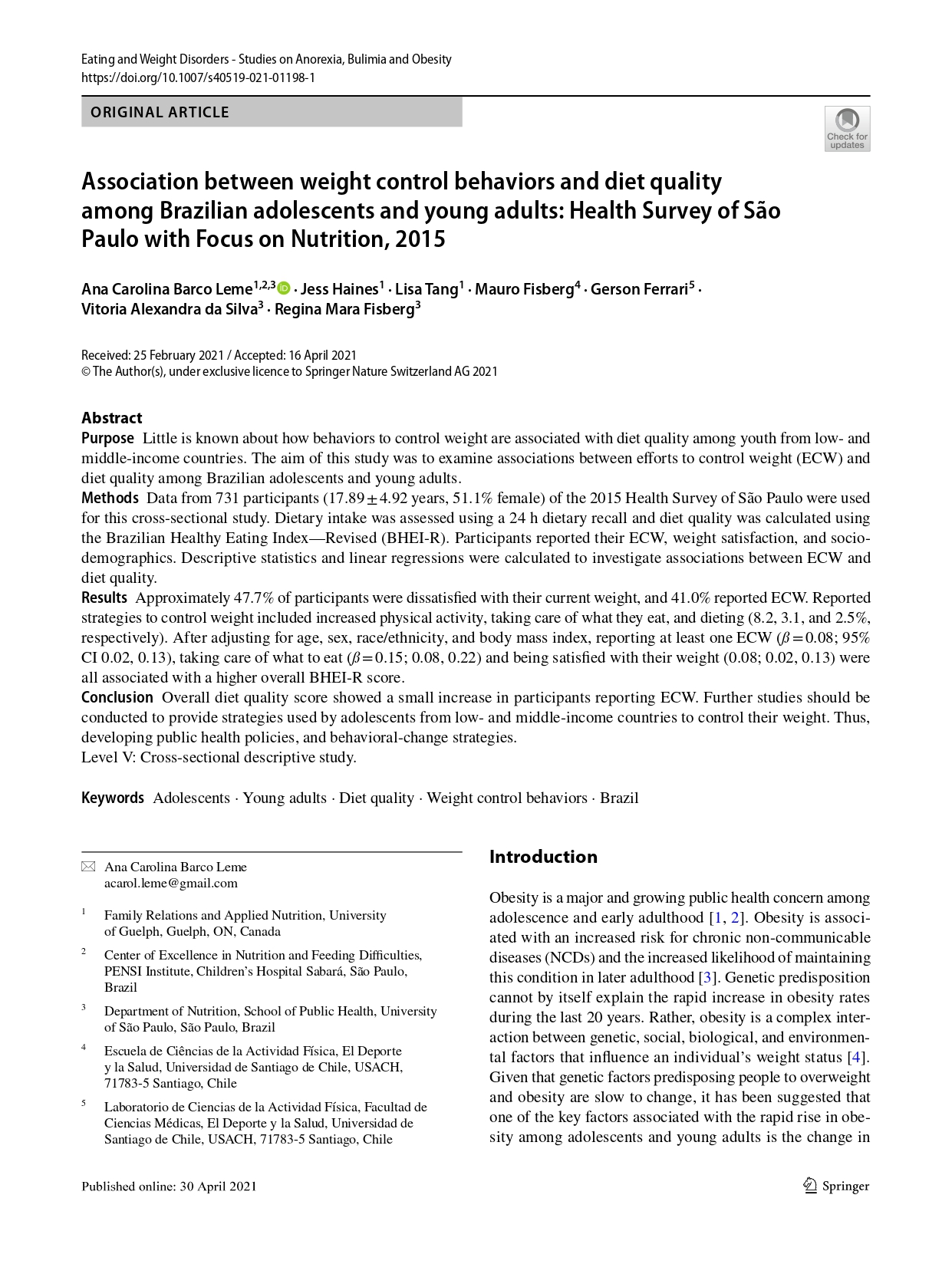
ASSOCIATION BETWEEN WEIGHT CONTROL BEHAVIORS AND DIET QUALITY AMONG BRAZILIAN ADOLESCENTS AND YOUNG ADULTS: HEALTH SURVEY OF SÃO PAULO WITH FOCUS ON NUTRITION, 2015
ABSTRACT: Little is known about how behaviors to control weight are associated with diet quality among youth from low- and middle-income countries. The aim of this study was to examine associations between efforts to control weight (ECW) and diet quality among Brazilian adolescents and young adults.
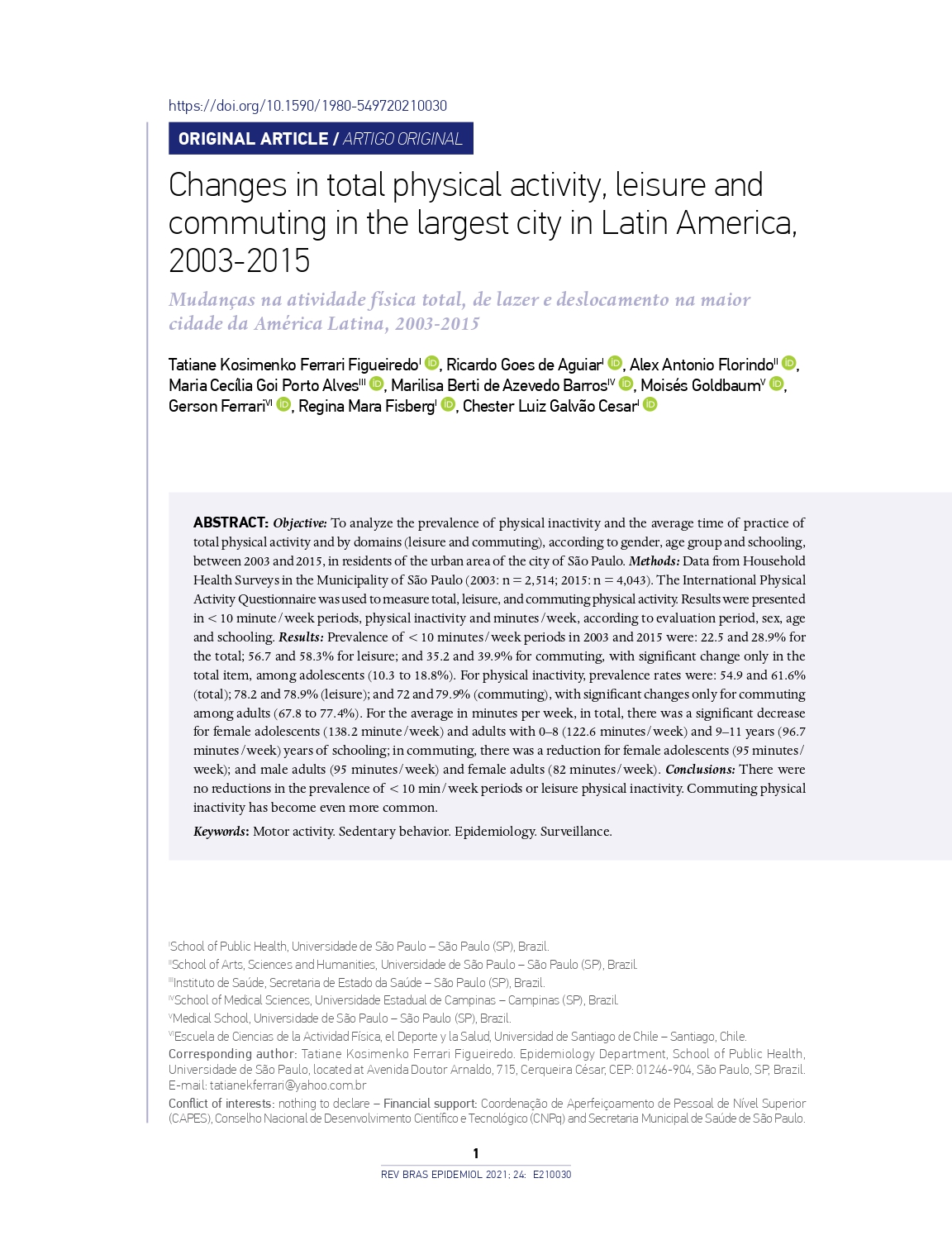
CHANGES IN TOTAL PHYSICAL ACTIVITY, LEISURE AND COMMUTING IN THE LARGEST CITY IN LATIN AMERICA, 2003-2015
ABSTRACT: To analyze the prevalence of physical inactivity and the average time of practice of total physical activity and by domains (leisure and commuting), according to gender, age group and schooling, between 2003 and 2015, in residents of the urban area of the city of São Paulo. Data from Household Health Surveys in the Municipality of São Paulo (2003 n = 2,514; 2015 n = 4,043). The International Physical Activity Questionnaire was used to measure total, leisure, and commuting physical activity. Results were presented in < 10 minute/week periods, physical inactivity and minutes/week, according to evaluation period, sex, age and schooling.
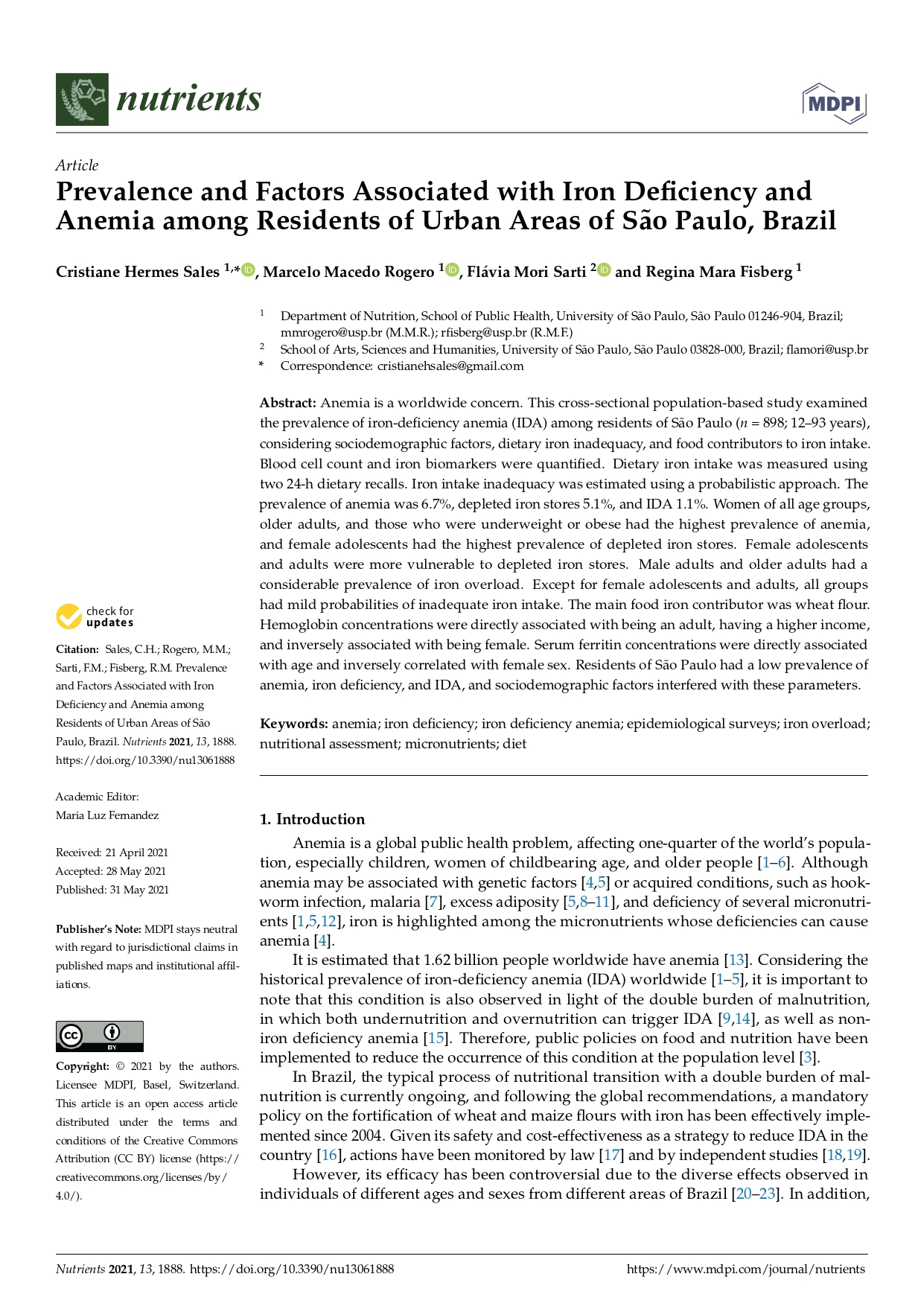
PREVALENCE AND FACTORS ASSOCIATED WITH IRON DEFICIENCY AND ANEMIA AMONG RESIDENTS OF URBAN AREAS OF SÃO PAULO, BRAZIL
ABSTRACT: Anemia is a worldwide concern. This cross-sectional population-based study examined the prevalence of iron-deficiency anemia (IDA) among residents of São Paulo (n = 898; 12–93 years), considering sociodemographic factors, dietary iron inadequacy, and food contributors to iron intake. Blood cell count and iron biomarkers were quantified. Dietary iron intake was measured using two 24-h dietary recalls.
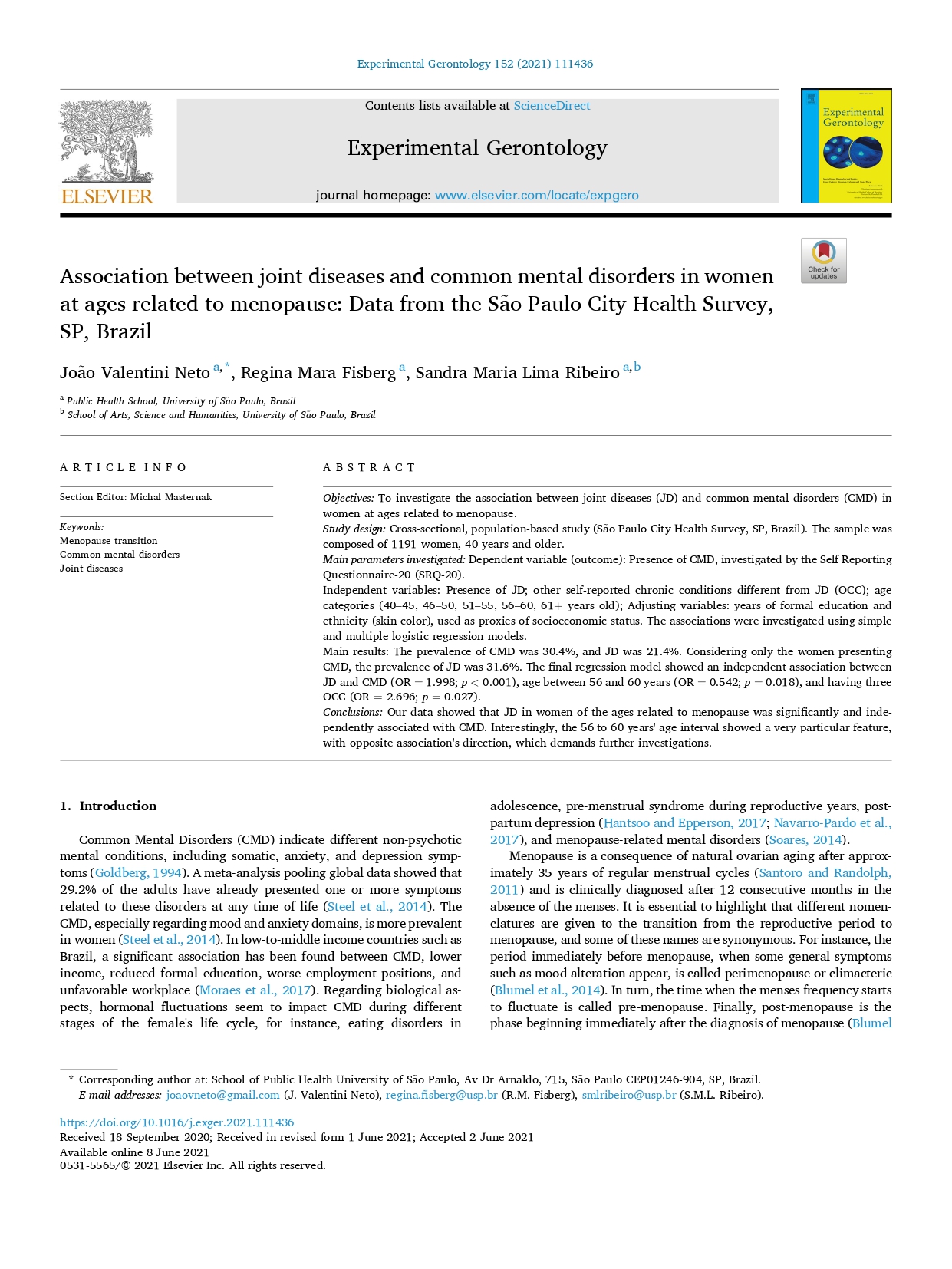
ASSOCIATION BETWEEN JOINT DISEASES AND COMMON MENTAL DISORDERS IN WOMEN AT AGES RELATED TO MENOPAUSE: DATA FROM THE SÃO PAULO CITY HEALTH SURVEY, SP, BRAZIL
ABSTRACT: To investigate the association between joint diseases (JD) and common mental disorders (CMD) in women at ages related to menopause. Cross-sectional, population-based study (São Paulo City Health Survey, SP, Brazil). The sample was composed of 1191 women, 40 years and older. Dependent variable (outcome): Presence of CMD, investigated by the Self Reporting Questionnaire-20 (SRQ-20).
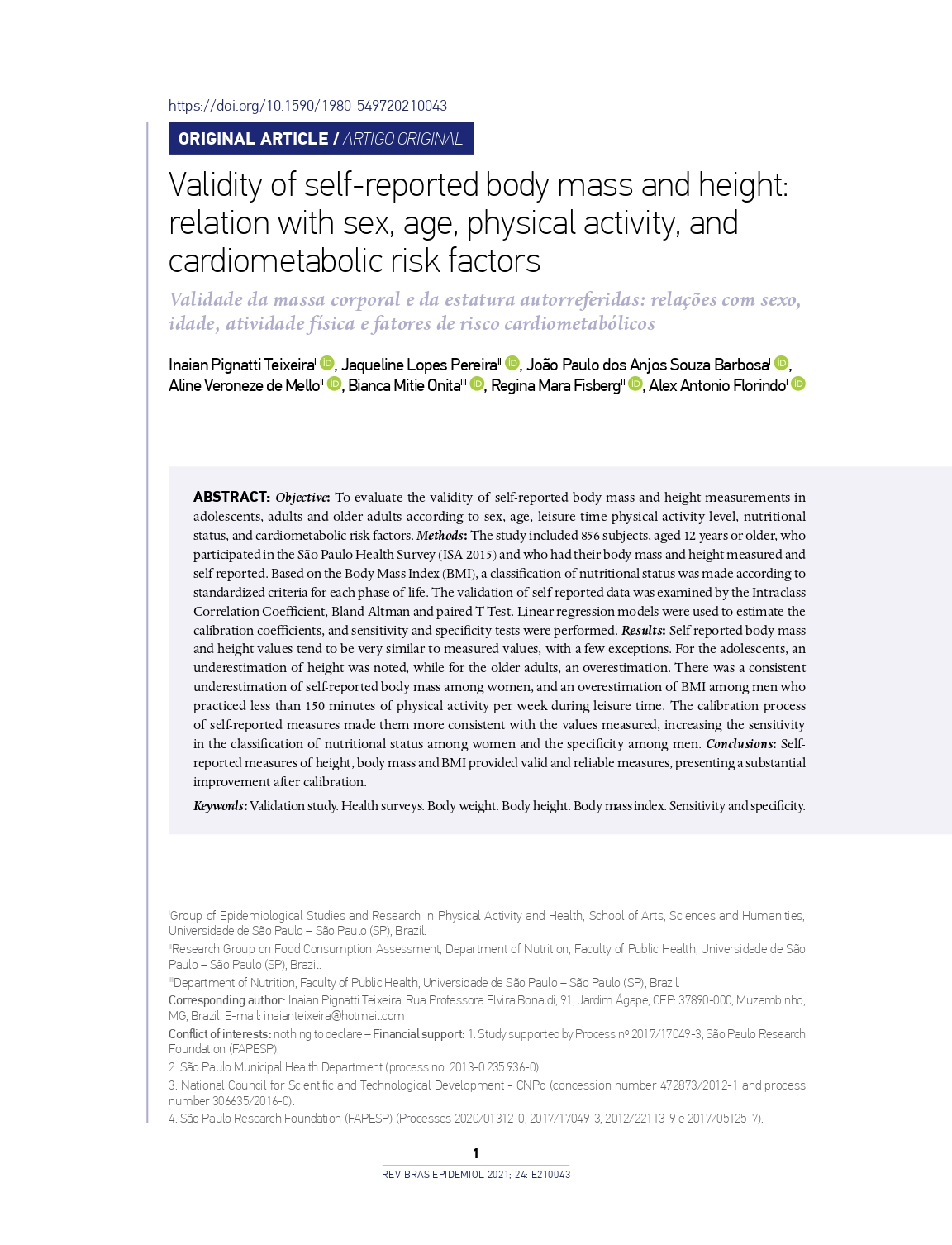
VALIDITY OF SELF-REPORTED BODY MASS AND HEIGHT: RELATION WITH SEX, AGE, PHYSICAL ACTIVITY, AND CARDIOMETABOLIC RISK FACTORS
ABSTRACT: To evaluate the validity of self-reported body mass and height measurements in adolescents, adults and older adults according to sex, age, leisure-time physical activity level, nutritional status, and cardiometabolic risk factors. Methods: The study included 856 subjects, aged 12 years or older, who participated in the São Paulo Health Survey (ISA-2015) and who had their body mass and height measured and self-reported. Based on the Body Mass Index (BMI), a classification of nutritional status was made according to standardized criteria for each phase of life. The validation of self-reported data was examined by the Intraclass Correlation Coefficient, Bland-Altman and paired T-Test. Linear regression models were used to estimate the calibration coefficients, and sensitivity and specificity tests were performed.
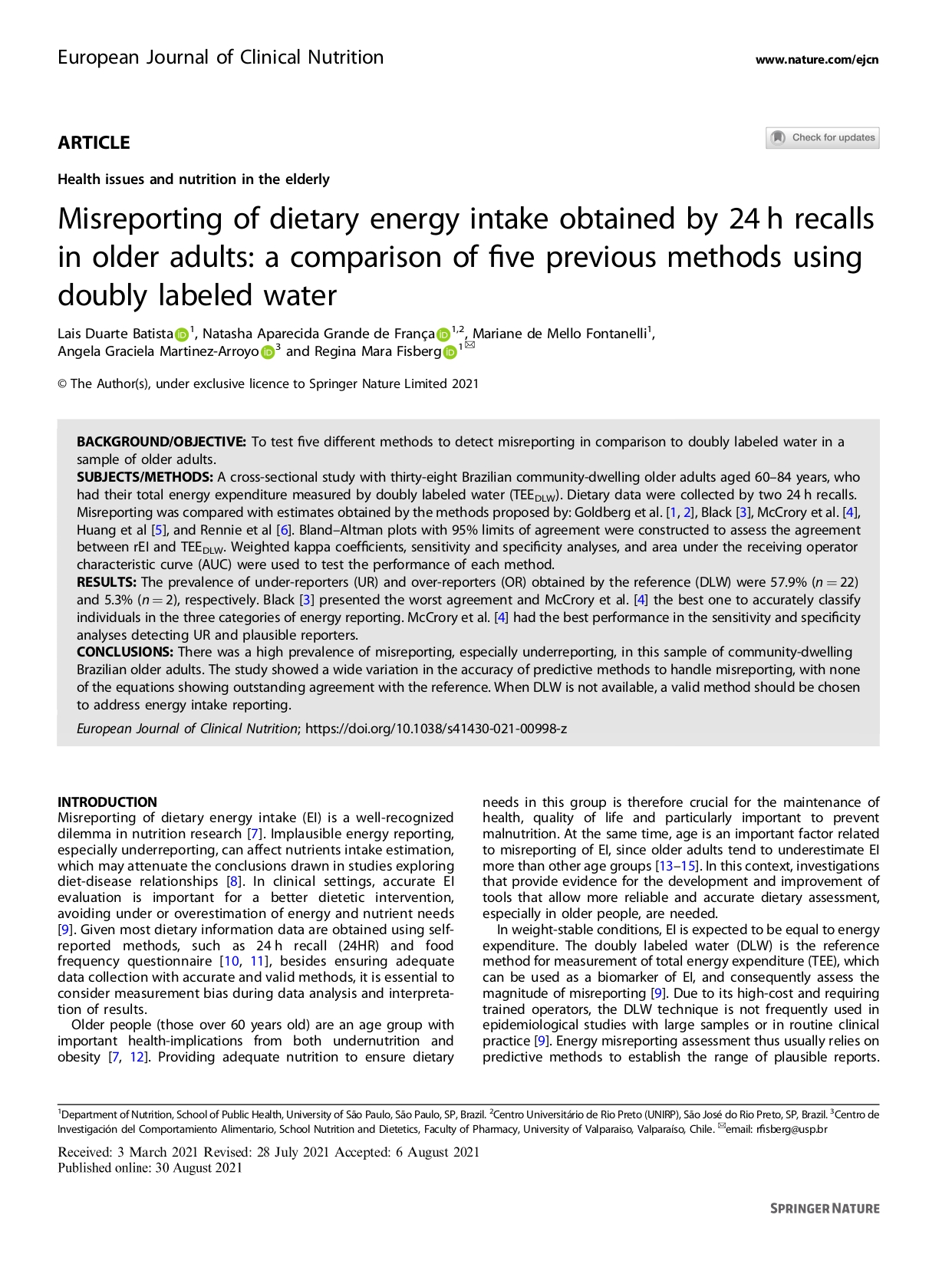
MISREPORTING OF DIETARY ENERGY INTAKE OBTAINED BY 24 H RECALLS IN OLDER ADULTS: A COMPARISON OF FIVE PREVIOUS METHODS USING DOUBLY LABELED WATER
ABSTRACT: A cross-sectional study with thirty-eight Brazilian community-dwelling older adults aged 60–84 years, who had their total energy expenditure measured by doubly labeled water (TEEDLW). Dietary data were collected by two 24 h recalls. Misreporting was compared with estimates obtained by the methods proposed by: Goldberg et al. [1, 2], Black [3], McCrory et al. [4], Huang et al [5], and Rennie et al [6]. Bland–Altman plots with 95% limits of agreement were constructed to assess the agreement between rEI and TEEDLW. Weighted kappa coefficients, sensitivity and specificity analyses, and area under the receiving operator characteristic curve (AUC) were used to test the performance of each method.
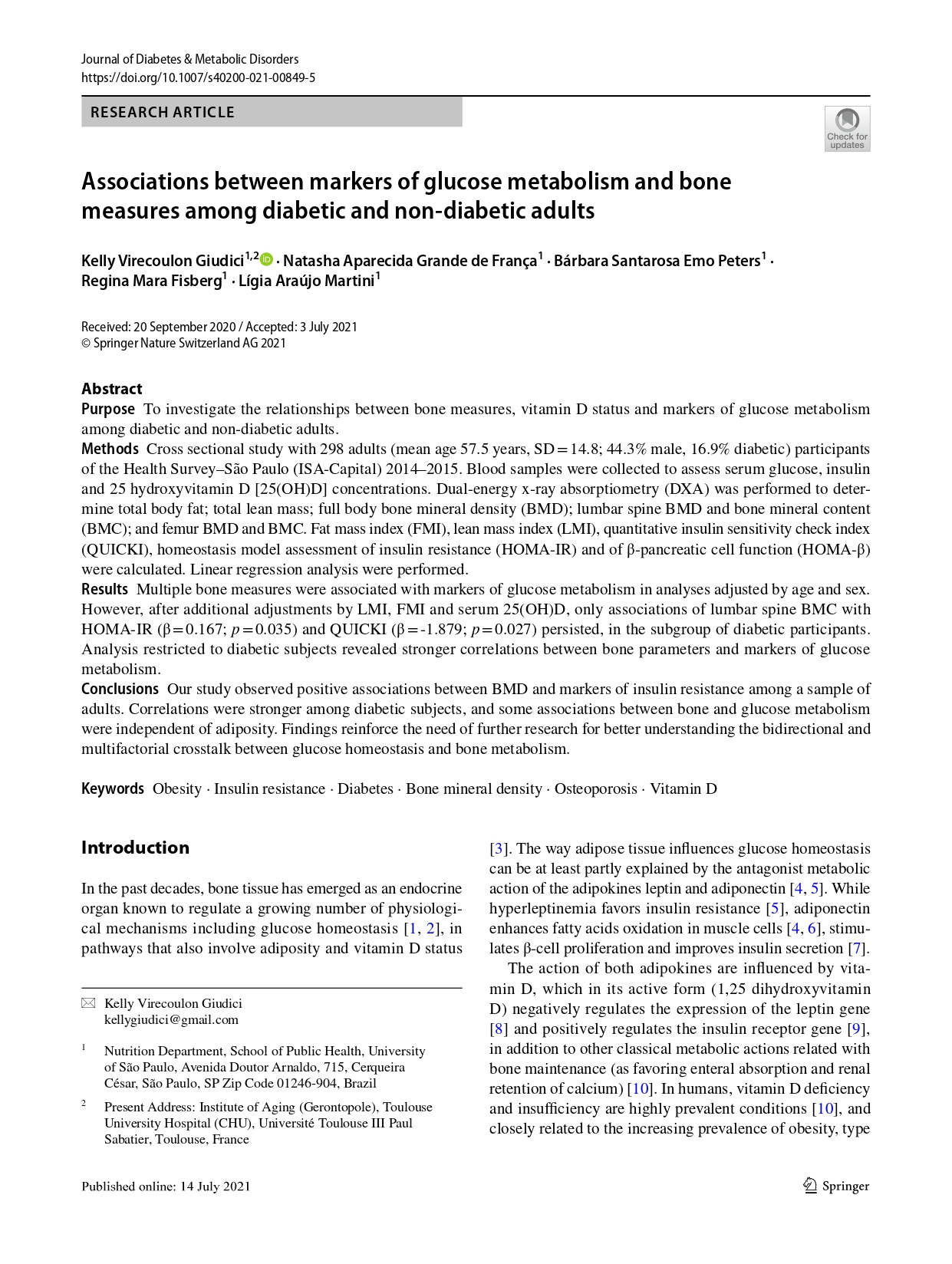
ASSOCIATIONS BETWEEN MARKERS OF GLUCOSE METABOLISM AND BONE MEASURES AMONG DIABETIC AND NON-DIABETIC ADULTS
ABSTRACT: Cross sectional study with 298 adults (mean age 57.5 years, SD = 14.8; 44.3% male, 16.9% diabetic) participants of the Health Survey–São Paulo (ISA-Capital) 2014–2015. Blood samples were collected to assess serum glucose, insulin and 25 hydroxyvitamin D [25(OH)D] concentrations. Dual-energy x-ray absorptiometry (DXA) was performed to deter- mine total body fat; total lean mass; full body bone mineral density (BMD); lumbar spine BMD and bone mineral content (BMC); and femur BMD and BMC. Fat mass index (FMI), lean mass index (LMI), quantitative insulin sensitivity check index (QUICKI), homeostasis model assessment of insulin resistance (HOMA-IR) and of β-pancreatic cell function (HOMA-β) were calculated. Linear regression analysis were performed.
2020
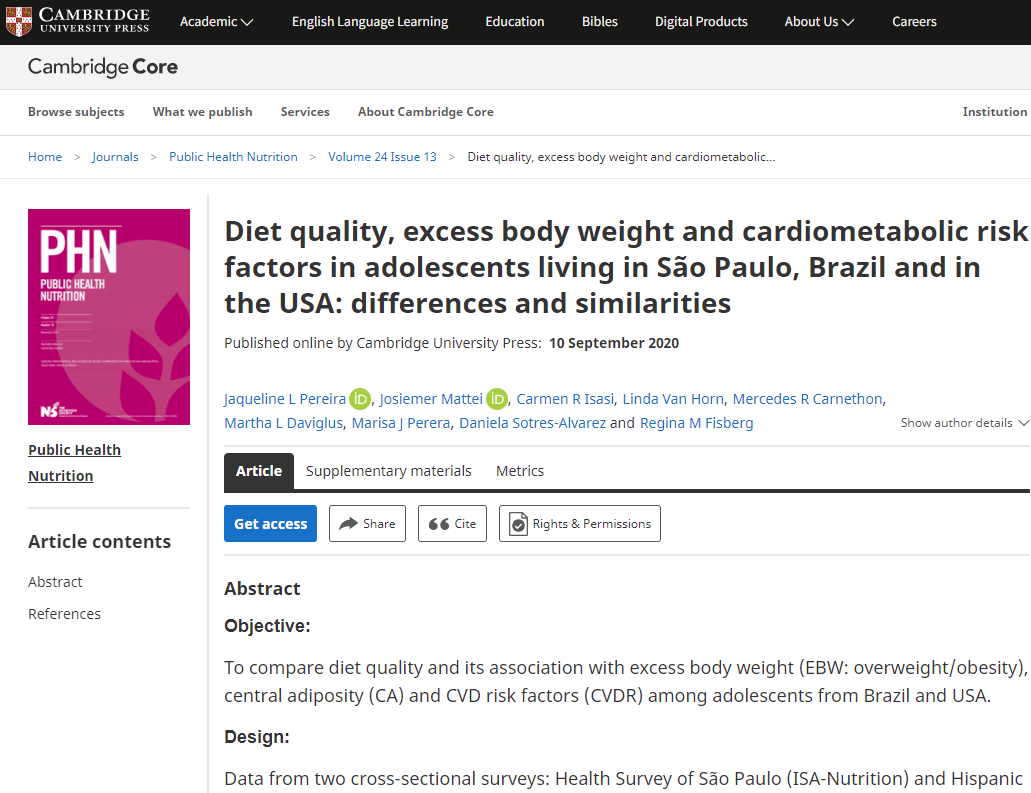
DIET QUALITY, EXCESS BODY WEIGHT AND CARDIOMETABOLIC RISK FACTORS IN ADOLESCENTS LIVING IN SÃO PAULO, BRAZIL AND IN THE USA: DIFFERENCES AND SIMILARITIES
ABSTRACT: To compare diet quality and its association with excess body weight (EBW: overweight/obesity), central adiposity (CA) and CVD risk factors (CVDR) among adolescents from Brazil and USA. Data from two cross-sectional surveys: Health Survey of São Paulo (ISA-Nutrition) and Hispanic Community Health Study/Study of Latino Youth (SOL-Youth). Dietary intake was assessed from 24-h recalls, and diet quality using the Alternate Healthy Eating Index-2010 (AHEI) developed in the USA and the Revised Brazilian Healthy Eating Index (BHEI-R). CVDR was defined as ≥3 of: obesity, elevated blood pressure, dyslipidaemia, high plasma glucose and insulin resistance. Adjusted OR for EBW, CA and CVDR by diet quality were tested using logistic regression.

FATORES DEMOGRÁFICOS, SOCIOECONÔMICOS E DE ESTILO DE VIDA ASSOCIADOS AO CONSUMO DE BEBIDAS AÇUCARADAS: UM ESTUDO DE BASE POPULACIONAL
BACKGROUND: The intake of sugar-sweetened beverages (SSB) varies according to the characteristics of the population. To investigate the SSB intake and demographic, socioeconomic and lifestyle factors associated with its consumption in adolescents, adults, and older adults in São Paulo.
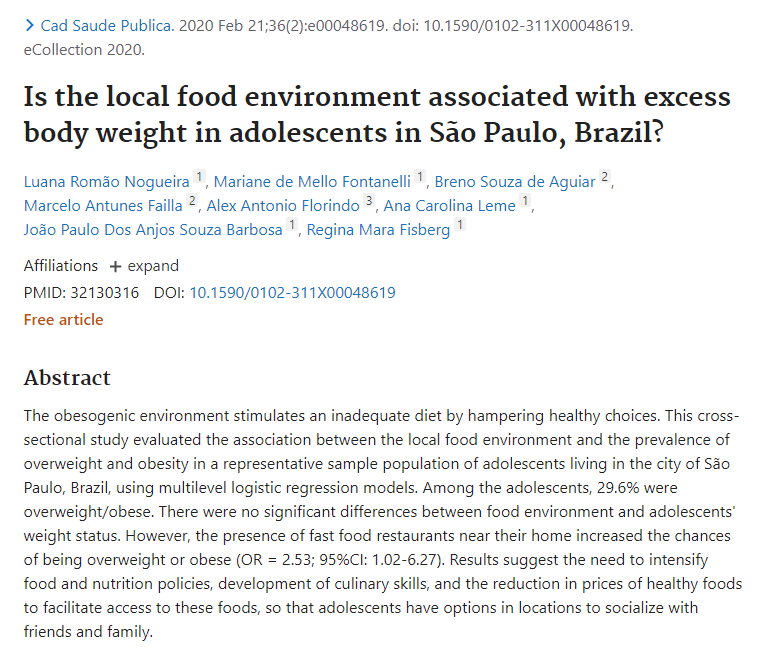
IS THE LOCAL FOOD ENVIRONMENT ASSOCIATED WITH EXCESS BODY WEIGHT IN ADOLESCENTS IN SÃO PAULO
BACKGROUND: The obesogenic environment stimulates an inadequate diet by hampering healthy choices. This cross-sectional study evaluated the association between the local food environment and the prevalence of overweight and obesity in a representative sample population of adolescents living in the city of São Paulo, Brazil, using multilevel logistic regression models
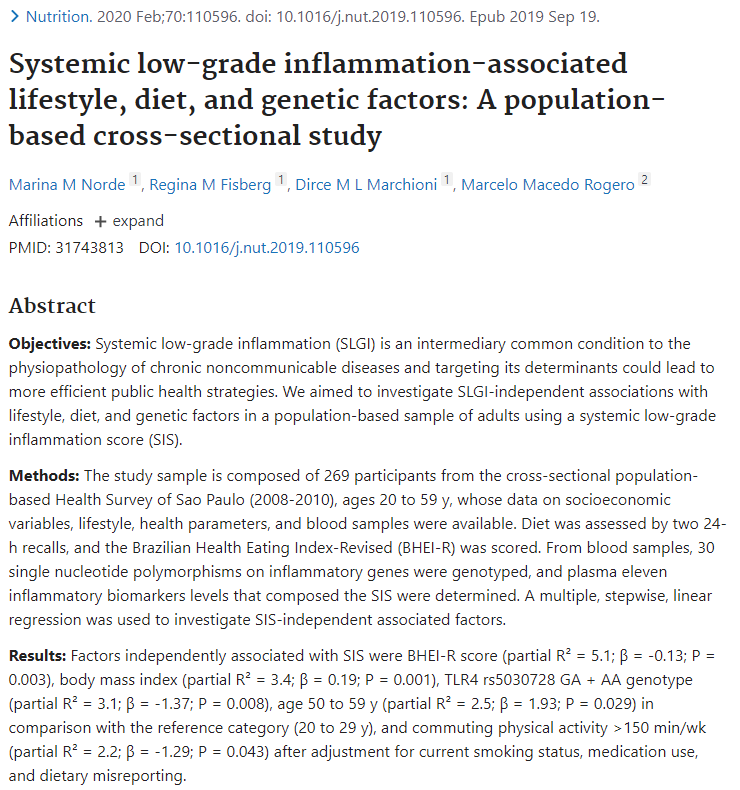
SYSTEMIC LOW-GRADE INFLAMMATION-ASSOCIATED LIFESTYLE, DIET, AND GENETIC FACTORS: A POPULATION-BASED CROSS-SECTIONAL STUDY
BACKGROUND: Systemic low-grade inflammation (SLGI) is an intermediary common condition to the physiopathology of chronic noncommunicable diseases and targeting its determinants could lead to more efficient public health strategies. We aimed to investigate SLGI-independent associations with lifestyle, diet, and genetic factors in a population-based sample of adults using a systemic low-grade inflammation score (SIS).

ASSOCIATION BETWEEN THE ADHERENCE TO THE MEDITERRANEAN DIETARY PATTERN AND COMMON MENTAL DISORDERS AMONG COMMUNITY-DWELLING ELDERS
BACKGROUND: Some questions regarding the benefits of the Mediterranean Dietary Pattern (MDP) are still unanswered, especially in non-Mediterranean areas. As such, this study intends to evaluate the association between the adherence to the MDP with the presence of Common Mental Disorders (CMD) in Brazilian older adults, adopting two different concepts of MDP.

CORRELATIONS AMONG VITAMIN K INTAKE, BODY FAT, LIPID PROFILE AND GLUCOSE HOMEOSTASIS IN ADULTS AND THE ELDERLY. ARCHIVES OF ENDOCRINOLOGY METABOLISM
BACKGROUND: Recent research has investigated the possible inverse relationship between vitamin K intake and body fat. In addition, an increasing number of studies are supporting a key role for this vitamin in improving lipid profile and insulin sensitivity and reducing the risk of type 2 diabetes mellitus, but little is known about what mechanisms would be involved. Thus, the objective of this study was to investigate the relationship between vitamin K intake (in the form of phylloquinone – PK), body fat, lipid profile and markers of glucose homeostasis in adults and the elderly.

VALIDATION AND ADAPTATION OF THE EMPIRICAL DIETARY INFLAMMATORY PATTERN (EDIP) ACROSS NATIONS: A TEST CASE
BACKGROUND: The empirical dietary inflammatory pattern (EDIP) assesses the inflammatory potential of diet in the US population. The aim of this study was to assess the applicability of the EDIP to a Brazilian population.

FADS1 AND ELOVL2 POLYMORPHISMS REVEAL ASSOCIATIONS FOR DIFFERENCES IN LIPID METABOLISM IN A CROSS-SECTIONAL POPULATION-BASED SURVEY OF BRAZILIAN MEN AND WOMEN
BACKGROUND: Cardiometabolic risk involves environmental and genetic factors. We aimed to investigate the relationship between plasma fatty acids and single nucleotide polymorphisms (SNPs), located in elongase and desaturases genes, and cardiometabolic parameters in a cross-sectional population-based survey. A sample of 226 adults who participated in the Health Survey of Sao Paulo, Brazil, was selected.

HEALTHFUL GRAIN FOODS CONSUMPTION BY SÃO PAULO RESIDENTS: A 12-YEAR ANALYSIS AND FUTURE TRENDS
BACKGROUND: Understanding trends in grain consumption is essential to tackle the low consumption of healthful grain foods. This study aimed to evaluate trends and determinants of grain foods meeting the ≤10:1 carbohydrate:fibre ratio (≤10:1 ratio) in Brazil and to estimate this intake for the next years.

THE DIETARY QUALITY IS ASSOCIATED WITH WATER INTAKES IN RESIDENTS OF SÃO PAULO
BACKGROUND: The scope of the study was to evaluate the probability of the adequacy of water intake among residents of São Paulo, and to investigate if the quality of diet differs according to the adequacy of water intake. Data were extracted from the Health Survey of São Paulo, a cross-sectional, population-based study.

ESTIMATING TOTAL DAILY ENERGY REQUIREMENTS IN COMMUNITY-DWELLING OLDER ADULTS: VALIDITY OF PREVIOUS PREDICTIVE EQUATIONS AND MODELING OF A NEW APPROACH
BACKGROUND: Accurate estimation of energy requirements is crucial for health maintenance and prevention of malnutrition in older adults. This study aimed to assess the accuracy of predictive equations for estimating energy requirements in older adults and to test the validity of new predictive equations for this age group.

NUTRITIONAL BREAKFAST QUALITY AND CARDIOMETABOLIC RISK FACTORS: HEALTH SURVEY OF SÃO PAULO, A POPULATION-BASED STUDY
BACKGROUND: To evaluate the association between nutritional quality of breakfast and cardiometabolic risk factors. Cross-sectional study, 2015 Health Survey of São Paulo (2015 ISA-Capital) with Focus on Nutrition Study (2015 ISA-Nutrition).
2019

Social determinants, lifestyle and diet quality: a population-based study from the 2015 Health Survey of São Paulo, Brazil
BACKGROUND: To investigate the association among social determinants, lifestyle variables and diet quality in São Paulo, Brazil. We observed differences in the Brazilian Healthy Eating Index-Revised (BHEI-R) by education, income, occupation, sex and race. Whole grains (0·63 points, 12·6 % of the maximum score), sodium (2·50 points, 25·0 %) and solid fat, alcohol and added sugars (9·28 points, 46·4 %) components had the lowest BHEI-R scores. Factors positively associated with diet quality included the presence of one disease or more (e.g. diabetes mellitus, hypertension, cancer, hypercholesterolaemia: β = 0·636, P < 0·001), income (middle income: β = 0·478, P < 0·001; high income: β = 0·966, P < 0·001) and occupation (other: β = 1·418, P < 0·001). Energy (β = –0·001, P < 0·001), alcohol consumption (β = –0·207, P = 0·027), education level (middle education: β = –0·975, P < 0·001; high education: β = –1·376, P < 0·001), races other than white (β = –0·366, P < 0·001) and being unemployed (β = –0·369, P < 0·046) were negatively associated with diet quality.
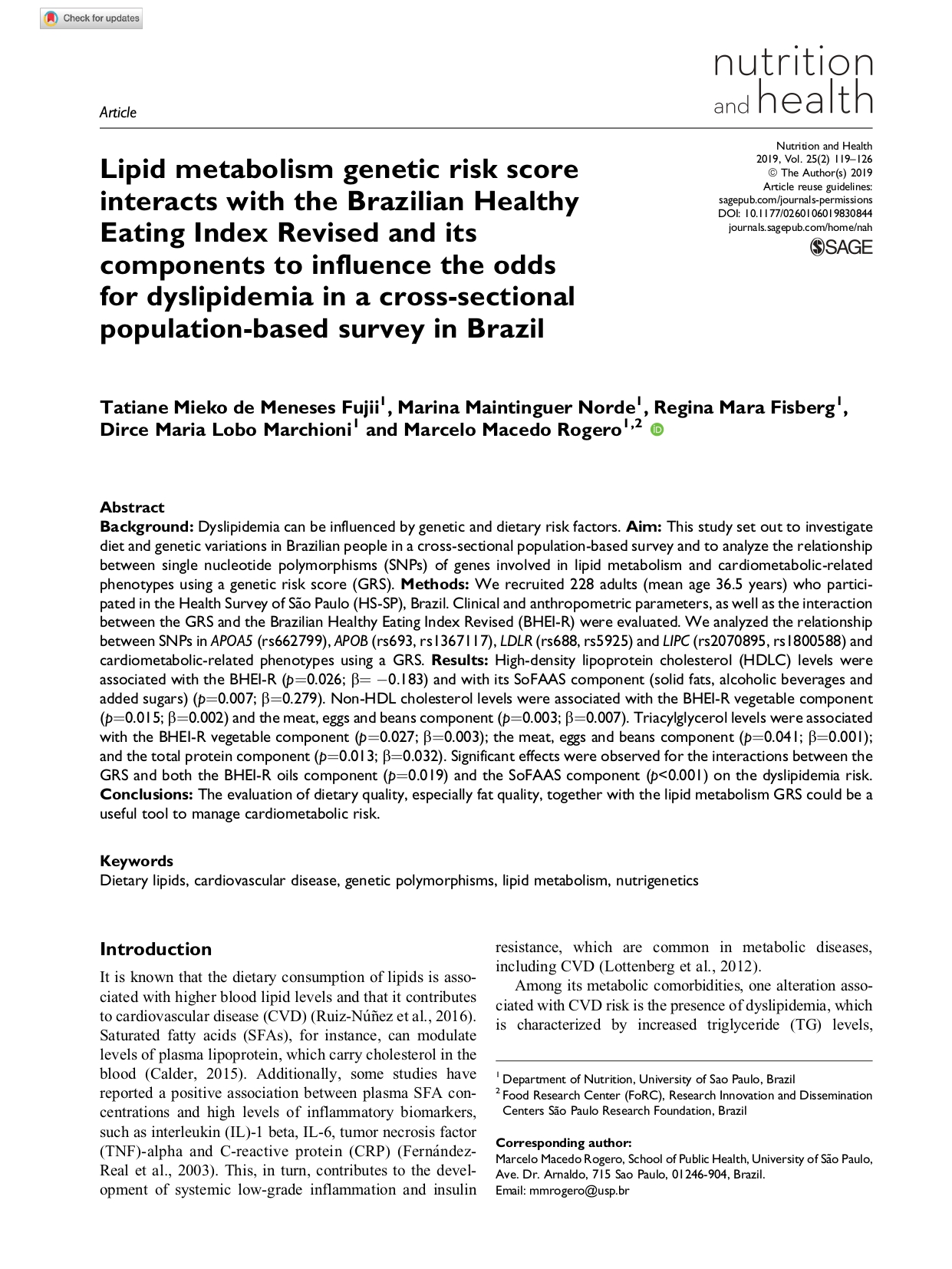
Lipid metabolism genetic risk score interacts with the Brazilian Healthy Eating Index Revised and its components to influence the odds for dyslipidemia in a cross-sectional population-based survey in Brazil
BACKGROUND: This study set out to investigate diet and genetic variations in Brazilian people in a cross-sectional population-based survey and to analyze the relationship between single nucleotide polymorphisms (SNPs) of genes involved in lipid metabolism and cardiometabolic-related phenotypes using a genetic risk score (GRS). We recruited 228 adults (mean age 36.5 years) who participated in the Health Survey of São Paulo (HS-SP), Brazil. Clinical and anthropometric parameters, as well as the interaction between the GRS and the Brazilian Healthy Eating Index Revised (BHEI-R) were evaluated. We analyzed the relationship between SNPs in APOA5 (rs662799), APOB (rs693, rs1367117), LDLR (rs688, rs5925) and LIPC (rs2070895, rs1800588) and cardiometabolic-related phenotypes using a GRS.
Application of the≤10:1 carbohydrate to fiber ratio to identify healthy grain foods and its association with cardiometabolic risk factors
BACKGROUND: Optimal metrics to assess healthfulness of carbohydrate-rich products are not well established. We investigated how the content per 10 g of carbohydrate of at least 1 g of fiber (≤10:1-ratio) related to nutritional quality in grain foods as well as cardiometabolic risk factors in São Paulo, Brazil. The≤10:1-ratio identified grain foods with higher nutritional quality and higher intakes of these foods were associated with cardiometabolic risk factors related to atherogenic dyslipidemia and insulin resistance.
Eating behaviours and dietary intake associations with self-reported sleep duration of free-living Brazilian adults
BACKGROUND: Sleep duration in modern societies has been decreasing over the past decades and many environmental and behaviour factors contribute with. Evidence have shown that individuals with short sleep duration have worse eating behaviours and dietary intakes than those with adequate sleep. This study aimed to describe eating behaviours and dietary intakes of Brazilian adults and investigate their associations with self-reported sleep duration encompassing aspects of chrono-nutrition.
Increased sugar-sweetened beverage consumption is associated with poorer dietary quality: A cross-sectional population-based study
BACKGROUND: The consumption of Sugar-Sweetened Beverages (SSB) has been associated with the development of several noncommunicable diseases and may represent a marker of an unhealthy lifestyle and poorer dietary quality. Therefore, we hypothesized that individuals with a higher SSB consumption would have poorer dietary quality. Considering the link between SSB and some burdensome pathologic conditions, understanding this relationship is important for planning interventions and public policies to reduce the incidence of noncommunicable diseases. The present study aimed to evaluate the association between SSB consumption and dietary quality in adolescents, adults, and older adults living in São Paulo, Brazil.
2018
Access to Street Markets and Consumption of Fruits and Vegetables by Adolescents Living in São Paulo, Brazi
BACKGROUND: Fruits and vegetables (FV) are important components of a healthy diet because they are sources of fiber, vegetable proteins, and protective micronutrients. The intake of FV can be considered more decisive during adolescence, when there is a greater need for nutrients, because it is a period of growth, development, and the establishment of habits that tend to remain in adult life. Food environment and income act as determinants of diet, and consequently, of the consumption of fruits and vegetables. The objective of this study is to investigate the association between fruit and vegetable consumption, income, and street market density in adolescents living in São Paulo, Brazil.
Determinants of inequalities in the quality of Brazilian diet: trends in 12-year population-based study (2003–2015
BACKGROUND: Diet quality is a modifiable risk factor that influences the development of chronic diseases such as obesity, type 2 diabetes mellitus, and cardiovascular diseases. It contributes to inequalities in health and, at the same time, is influenced by socioeconomic inequalities, such as access to education and health services, which in turn are associated with living conditions, such as income, occupation and educational attainment. Recent studies have explored the influence of socioeconomic inequalities on the diet quality. However, there is lack of evidence regarding the level of inequalities in dietary quality and its main contributing factors from population-based follow-up studies. The primary objective of this study was to investigate the level and the determinants of inequalities in diet quality in a representative sample of adolescents, adults and older adults resident in São Paulo, Brazil.
2015 Health Survey of São Paulo with Focus in Nutrition: Rationale, Design, and Procedure
BACKGROUND: This paper describes the design, sampling methods, and data collection procedures, with particular focus on dietary data, used for the 2015 Health Survey of São Paulo (2015 ISA-Capital) with Focus in Nutrition Study (2015 ISA-Nutrition). The ISA is a household cross-sectional, population-based survey that uses complex, stratified, multistage sampling to create a representative sample of residents from urban São Paulo, Brazil. The 2015 ISA-Nutrition aims to evaluate lifestyle-related modifiable factors in São Paulo’s residents, as well as their association with biochemical and genetic markers, and environmental aspects related to cardiometabolic risk factors. This paper concludes that 2015 ISA-Nutrition may provide valuable insights into the cardiometabolic risk factors in a big city in an upper middle-income country and contribute to the formulation of health and nutritional policies.
Dairy consumption and inflammatory profile: A cross-sectional population-based study, São Paulo, Brazil
BACKGROUND: Dairy products are recognized as the best source of dietary calcium based on content and bioavailability]. This food group also provides high-quality protein due to its complete amino acid profile, which appears to exert a favorable influence on body com-position changes in weight loss and lean mass retention. The aim of the present study was to investigate the association between dairy product consumption and plasma inflammatory biomarkers levels among a representative sample of Brazilian adults from São Paulo City.
Excess body weight in the city of São Paulo: panorama from 2003 to 2015, associated factors and projection for the next years
BACKGROUND: Excess body weight (EBW: overweight and obesity) has high and rising prevalence in Brazil. Up-to-date information about the distribution and changes in the prevalence of EBW and their associated factors are essential to determine target groups and to identify priority actions. The aim of this study was to investigate the associated factors and to determine the prevalence of overweight and obesity in the adolescent and adult population of the city of São Paulo in the years of 2003, 2008, and 2015, as well as to estimate the prediction for the next years.
Differences over 12 Years in Food Portion Size and Association with Excess Body Weight in the City of São Paulo, Brazil
BACKGROUND: In recent years, the portion size of foods (especially energy-dense foods) has been intensively investigated as a possible contributor to the rise in prevalence of excess body weight in diverse populations. Although changes in Brazilian dietary patterns have occurred over the last decades in parallel with the rise in the prevalence of excess body weight, as far as we know, there is no evidence about differences on food portion sizes over the time. Therefore, the aim of this study was to evaluate the association of food portion sizes with body weight status, and to monitor the differences over the years in a representative population from the city of São Paulo, Brazil, from 2003 to 2015.
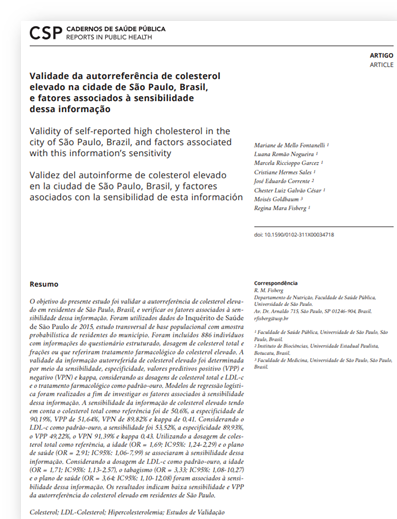
Validade da autorreferência de colesterol elevado na cidade de São Paulo, Brasil, e fatores associados à sensibilidade dessa informação
BACKGROUND: The study aimed to validate self-report of high cholesterol in São Paulo, Brazil, and verify factors associated with this information’s sensitivity. Data were used from the Health Survey of the City of São Paulo 2015, a cross-sectional population-based study with a probabilistic sample of the city’s residents. The validity of self-reported information on high cholesterol was measured according to sensitivity, specificity, positive predictive value (PPV), negative predictive value (NPV), and kappa index, considering total cholesterol and LDL-c and pharmacological treatment as the gold standard. The results suggest low sensitivity and low PPV of self-reported high cholesterol in residents of São Paulo.
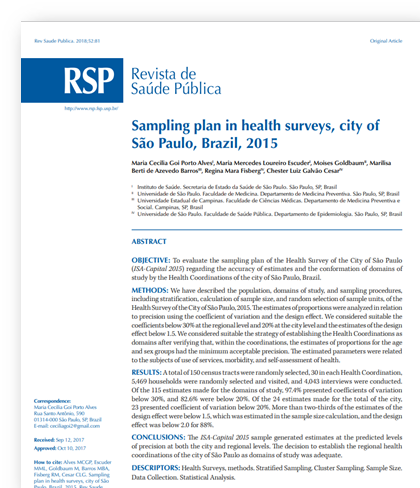
Sampling plan in health surveys, city of São Paulo, Brazil, 2015
BACKGROUND: It is important to know the sampling plans used in epidemiological surveys and the evaluation of the alternatives applied to improve the practice of household surveys. The planning of the 2015 survey was based on the interest to produce information on smaller areas of the city, which are more homogeneous in relation to the epidemiological profile. The objective of this study was to evaluate the sampling plan of the ISA-Capital 2015 regarding the precision of estimates and the conformation of the domains of study by the Health Coordinations of the city of São Paulo, Brazil.